Access problems and rubbish collection for narrow Lambeth streets
Posted on 18/06/2026

If you live, work, or trade in Lambeth, you already know the issue: some streets are beautifully compact, but that same narrow layout can make rubbish collection awkward, slow, and occasionally a bit of a headache. Vans struggle to turn. Wheelie bins block the path. Builders' waste ends up sitting where nobody wants it. And on a wet Tuesday morning, everything feels harder than it should.
This guide explains access problems and rubbish collection for narrow Lambeth streets in plain English. You'll find practical advice on planning collections, reducing disruption, avoiding common mistakes, and choosing the right waste approach when space is tight. It is written for residents, landlords, traders, property managers, and anyone trying to get waste cleared without making the street look like a small-scale obstacle course.
Along the way, we'll also touch on local concerns such as safe loading, timing, bulky items, basement properties, and how to keep things workable when the street simply was not designed for modern waste vehicles. Truth be told, that is the reality in a lot of Lambeth. The good news? There are reliable ways to handle it.
- Why access problems and rubbish collection for narrow Lambeth streets matters
- How it works
- Key benefits and practical advantages
- Who this is for and when it makes sense
- Step-by-step guidance
- Expert tips for better results
- Common mistakes to avoid
- Tools, resources and recommendations
- Law, compliance, standards, or best practice
- Options, methods, or comparison table
- Case study or real-world example
- Practical checklist
- Conclusion
- Frequently asked questions
Why Access problems and rubbish collection for narrow Lambeth streets Matters
Narrow streets change everything. A collection that seems straightforward on paper can quickly become awkward once you factor in parked cars, tight corners, low-hanging branches, shared courtyards, and stair-heavy properties. In Lambeth, that often means the difference between a quick, tidy uplift and a collection that blocks the road, annoys neighbours, or misses the scheduled slot altogether.
It matters for a few simple reasons. First, access affects how safely waste can be moved. If a crew cannot park near the property, there may be more lifting, more time, and more risk. Second, access affects what size vehicle can be used. A standard refuse truck is not always the right fit. Third, access affects how much disruption the collection creates, especially if the street is already busy with deliveries, school runs, or commuters heading towards central London.
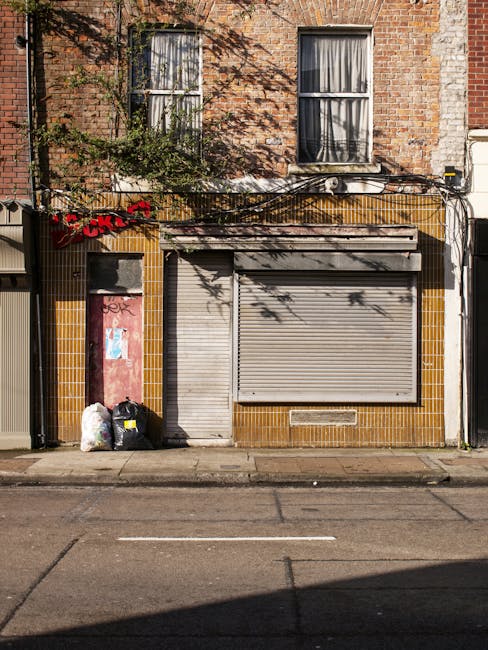
There is also the visual side of it. Overflowing bags, broken boxes, and half-moved bulky items can make a short street look messy very quickly. For flat blocks and terraced homes, that can become a neighbour issue in no time. If you've ever seen a sofa waiting on the pavement with everyone pretending it belongs to someone else, you'll know the mood.
For businesses, poor access can delay opening hours, upset customers, and complicate loading bay use. For landlords and sellers, it can affect the presentation of a property. You can read more about the area itself in what locals say about living in Lambeth, and for broader local context, there's also this overview of Lambeth's character and neighbourhood feel.
Key point: narrow-street waste collection is not just about moving rubbish. It is about planning movement, protecting access, and keeping the street usable for everyone else.
How Access problems and rubbish collection for narrow Lambeth streets Works
In practice, a narrow-street collection usually starts before anyone lifts a bag. The first job is to assess the access. That means thinking about where the vehicle can stop, how far items must be carried, whether there are stairs or side alleys, and whether the waste can be loaded without blocking a resident's doorway or a passing cyclist. Simple questions, really. But they save a lot of pain later.
Most good collections for tight streets follow a similar pattern:
- Check the access point. Is it a terrace, a flat above a shop, a basement entrance, or a mews-style lane?
- Identify the waste type. General rubbish, bulky items, garden cuttings, office clutter, or builders' debris each create different handling needs.
- Plan the lifting route. If the vehicle cannot get close, waste may need to be moved by hand or trolley to a better loading position.
- Choose a suitable vehicle and crew size. Tight roads often need smaller vans, more careful manoeuvring, or a staged load-out.
- Set a collection time that suits the street. Early mornings can be calmer, but not always better if there are school drops or delivery peaks.
- Load efficiently. Sorting waste properly before uplift reduces back-and-forth movement. That small bit of organisation matters a lot.
On some Lambeth streets, access issues are temporary rather than permanent. Roadworks, event closures, parked vans, or double parking can make a normally manageable road frustrating for a day or two. In those situations, the collection method may need to change at short notice. That is one reason same-day flexibility is so useful in the area. If you want a deeper look at rapid response options, see emergency same-day rubbish removal in Lambeth.
Sometimes the real solution is not a bigger vehicle at all. It is a smarter hand-carry plan, a better appointment slot, or a smaller mixed-crew uplift. A lot of access problems look dramatic from the outside but are manageable once someone has actually walked the route. Sensible, not flashy. That tends to work best.
Key Benefits and Practical Advantages
When narrow streets are handled properly, the benefits are obvious. The job gets done with less friction. The street stays clearer. Neighbours are less likely to complain. And the customer has fewer unpleasant surprises on the day.
- Less disruption to residents and businesses. A careful plan means fewer blocked entrances and less time with waste sitting outside.
- Safer handling. Smaller loads and shorter carry distances reduce the chance of dropped items, scraped walls, or awkward lifting.
- Better timing. Proper planning helps avoid the rush hours, school-time congestion, or delivery bottlenecks that are common in parts of Lambeth.
- More predictable costs. Access-friendly planning often cuts wasted labour time and helps avoid last-minute changes.
- Cleaner presentation. This matters a great deal for landlords, sellers, and anyone preparing a property for viewing or handover.
There is also a calmer, less visible benefit: you just do not have to think about it as much once the process is sorted. Waste that is regularly managed well does not become a recurring problem. It becomes part of the routine, which is what most people want, really.
For people comparing options, it can help to understand the difference between a general clearance and a more specialised service. You may find it useful to look at rubbish collection in Lambeth alongside the wider waste removal options, especially if the street access is tight and the load is unusually bulky.
Who This Is For and When It Makes Sense
This topic is not only for large-scale jobs. In fact, it often matters most on smaller, awkward jobs where people assume "it will be fine" and then discover it is not fine at all.
You are likely to need a narrow-street collection approach if you are:
- a homeowner on a terraced road with limited kerbside space
- a landlord clearing a flat with a shared entrance or basement access
- a tenant moving out and leaving bulky waste behind
- a trader or cafe operator with limited rear access for waste storage
- a builder working on a property where skip placement is awkward or impractical
- an office manager clearing clutter from a small commercial street
It also makes sense when the waste is time-sensitive. For example, if a property sale is completing, the last thing you want is bags and old furniture cluttering a narrow pavement. If you are preparing a property to sell, it can be helpful to understand the local market pressures too, which is why articles like selling property in the Lambeth area and unlocking smart investments in Lambeth property can be relevant background reading.
And, to be fair, not every problem needs a full-service clearance. Sometimes it is just one sofa, a stack of broken boxes, or garden waste from a tight rear passage. The key is matching the method to the access. Simple answer. Not always easy, but simple.
Step-by-Step Guidance
If you are dealing with access problems on a narrow Lambeth street, the best results usually come from a bit of structure. Here is a straightforward way to approach it.
- Walk the route first. Do not assume the vehicle or crew can see what you can see from the front door. Look for gate widths, stair turns, parked cars, and any point where items will need to be carried by hand.
- Sort the waste into rough categories. Keep general rubbish, bulky furniture, garden waste, and builders' material separate where possible. That makes loading faster and more efficient.
- Identify anything awkward. Mattresses, large wardrobes, broken glass, heavy appliances, and loose rubble all need extra thought.
- Choose the right collection time. Mid-morning is often calmer than the school-run window or the first rush of delivery vehicles. But local patterns vary, so use common sense.
- Clear the path before the team arrives. Move small items, open gates, and make sure there is room for safe lifting.
- Keep neighbours in mind. If waste will briefly sit outside, try to keep it neat and arranged so it does not block shared access.
- Allow for a fallback plan. If the vehicle cannot stop right outside, know where it can legally and safely wait nearby.
A small but useful habit: take photos of the access point before collection day. It is not glamorous, I know. But it helps avoid misunderstandings and makes it easier to plan the right crew and vehicle. A one-minute photo can save a lot of back-and-forth later.
For people dealing with mixed waste from refurbishments or renovations, it may also help to review builders waste disposal in Lambeth because construction waste behaves differently from ordinary household rubbish. More weight, more dust, more manual handling. Different game altogether.
Expert Tips for Better Results
Once you've got the basics right, a few practical details make a real difference.
Keep the loading point as close as possible
Even a few extra metres can matter on a narrow street. If the crew can load from the front boundary instead of from the far end of a passage, the job usually becomes quicker and less tiring. It sounds obvious. Yet this is where a lot of time disappears.
Avoid peak street movement when you can
In busy parts of Lambeth, the road can feel calm at one minute and crowded the next. If there are frequent food deliveries, bin rounds, or school traffic, try to book outside those windows. It helps everyone breathe a bit easier.
Use smaller, more frequent clearances for recurring waste
For flats, small businesses, or households producing regular clutter, it is often better to clear waste more often rather than let it build up. The pile is always bigger than it looked in your head. Always.
Think about the street as a shared space
That mindset changes behaviour. A collection that respects neighbours, gate access, and passing traffic is less likely to trigger complaints. And in a narrow street, goodwill matters.
Choose a provider that explains the plan clearly
You want someone who can tell you what happens if parking is tight, whether extra carrying time is needed, and how they deal with awkward access. Clear explanations are a good sign. Vague promises are not.
For collections that need a bit more care around timing, reputation, and practical handling, it can be useful to look at the company's wider approach to services overview and their stated approach to insurance and safety. That is not just box-ticking; it tells you how seriously they treat real-world risk.
Common Mistakes to Avoid
Narrow streets tend to expose planning mistakes quickly. Here are the ones that crop up most often.
- Assuming a large vehicle will fit. Sometimes it will. Often it won't. Measure first, guess later. Better yet, don't guess at all.
- Leaving waste outside too early. This can create obstruction, complaints, or weather damage if the collection gets delayed.
- Mixing everything together. A mixed pile may be easier to create, but it is not always easier to move.
- Ignoring parking and loading restrictions. The street might be narrow, but the rules are still the rules.
- Forgetting about stairwells and corner turns. That wardrobe that looked manageable in the bedroom can suddenly become a problem halfway down.
- Choosing the cheapest option without asking about access. Hidden charges and awkward surprises often appear at this point. If that is a concern, read how to avoid hidden rubbish removal charges in Lambeth.
A small warning from experience: if someone says, "We'll sort it on the day," and they haven't asked a single question about access, that is usually not a comforting sign. Let's just say the optimism is doing a lot of heavy lifting there.
Tools, Resources and Recommendations
You do not need fancy equipment to handle narrow-street waste well, but a few practical tools help a lot.
- Measuring tape. Useful for gate widths, side returns, and furniture dimensions.
- Photographs of the access route. Handy for planning and avoiding misunderstandings.
- Trolleys or sack trucks. They make a real difference where the carry distance is longer than expected.
- Strong gloves and closed footwear. Basic, but worth saying.
- Bag ties and tape. Neater loads are easier to move and less likely to split.
- Simple item list. A written list helps when deciding what can be taken together and what needs separate handling.
For readers wanting a practical starting point, the most useful internal resources are usually the ones that explain the full service picture. Have a look at house clearance in Lambeth if you are dealing with a full property, or office clearance in Lambeth if the issue is commercial clutter on a tight street. If the waste is more outside-facing, garden waste removal in Lambeth can be the better fit.
For local situations where the setting itself affects the job, related reading such as the Brixton Market rubbish removal guide for traders, Waterloo Station area rubbish clearance options, Clapham Common bulky rubbish collection tips, and the Kennington SE11 house rubbish clearance checklist can offer useful context.
Law, Compliance, Standards, or Best Practice
Whenever waste is collected in a built-up area, it has to be handled with care and in line with normal UK waste expectations. You do not need to become a legal expert, but you do need to follow sensible best practice.
In practical terms, that means:
- keeping access routes safe and clear while waste is being moved
- avoiding obstruction to pedestrians, neighbours, emergency access, and road users
- separating hazardous, heavy, or awkward items where appropriate
- using a provider that handles waste responsibly and documents what happens to it
- making sure any collection method matches the street conditions, rather than forcing the street to match the method
In London, public streets are shared spaces, so planning matters. If waste sits outside a property in a way that blocks passage or creates a trip hazard, that can quickly become a problem. The safe approach is always the better approach. Not the most dramatic one. Not the fastest-looking one. The safe one.
It is also sensible to check a provider's broader statements around recycling and sustainability, because narrow-street jobs often rely on efficient sorting and careful transfer rather than just tipping everything into one load. If a company can explain how it separates reusable, recyclable, and residual waste, that is usually a positive sign.
For readers who value policy transparency and trust signals, the site also provides information such as the about us page and related policy pages like terms and conditions, privacy policy, payment and security, cookie policy, accessibility statement, and modern slavery statement. Those pages are not about access problems directly, but they do help build trust around how a business operates.
Options, Methods, or Comparison Table
Not every narrow-street job needs the same approach. Here is a simple comparison to help you think it through.
| Method | Best for | Strengths | Limitations |
|---|---|---|---|
| Kerbside collection | Short, easy access with legal stopping space | Fast, straightforward, low handling time | Not suitable where parking or turning is tight |
| Manual carry from property | Basements, terraces, rear gardens, narrow lanes | Flexible and often the best fit for awkward streets | More labour, more time, needs good planning |
| Smaller van uplift | Roads too tight for larger waste vehicles | Better manoeuvrability in confined streets | May require multiple loads or staged collection |
| Staged collection | Large clearances in difficult access areas | Reduces congestion and keeps routes manageable | Takes more coordination |
| Targeted bulky-item removal | Sofas, wardrobes, appliances, single-item clearances | Cost-effective for limited waste | Not ideal for mixed or heavily loaded sites |
In many Lambeth streets, manual carry or smaller-van uplift is the practical winner. It is not glamorous, but it works. And that usually matters more than whether the vehicle looks impressive from the pavement.
Case Study or Real-World Example
Picture a typical narrow terraced street in Lambeth. One side has parked cars. The other has front railings, basement steps, and no spare room for a waste vehicle to sit comfortably. The homeowner wants to clear old furniture, mixed household rubbish, and a few garden bags before the property is photographed for sale.
If the team turns up without checking access, they may lose time figuring out where to stop, where to carry from, and whether items can be loaded without blocking the pavement. That can turn a neat one-hour collection into a messy morning. Nobody wants that, especially when a photographer is due.
Now compare that with a planned approach. The access route is checked beforehand. The large items are identified early. The crew knows the likely stopping point. Waste is grouped near the exit, but not dumped on the pavement too early. The collection happens in one tidy pass, and the street is left clear. Not perfect, because real life rarely is, but much better.
This kind of planning is especially helpful around busy local areas, where traffic and footfall are naturally higher. If you are dealing with a street that also needs to stay presentable for guests or customers, you might even find it useful to see related lifestyle and local-use articles such as ideal party locations in Lambeth. Different subject, yes, but the underlying lesson is similar: space in Lambeth often needs to be used carefully.

Practical Checklist
Use this checklist before any collection on a narrow Lambeth street. It keeps things calm. Mostly.
- Measure the access route, gate width, and any tight corners
- Check whether parking or stopping is realistically possible
- Sort waste into categories before the collection day
- Identify heavy, sharp, fragile, or awkward items early
- Decide whether the job needs a smaller vehicle or manual carry
- Avoid placing waste outside too far in advance
- Keep pathways, fire exits, and neighbour access clear
- Take photos of the route if the access is unusually tricky
- Ask how the provider handles delays, parking issues, or last-minute changes
- Check that the collection plan suits the time of day
- Confirm any special handling for builders' waste, garden waste, or bulky items
- Review the provider's safety, recycling, and pricing information before booking
If you want to compare value and avoid awkward surprises, it may also help to review the company's pricing and quotes information before committing. It is a small step that can save a larger headache.
Get a free quote today and see how much you can save.
Conclusion
Access problems and rubbish collection for narrow Lambeth streets are really about one thing: making a difficult space work without turning it into everyone else's problem. When the access is tight, the best results come from planning, patience, and the right method for the street rather than a one-size-fits-all approach.
Get the access route right, match the vehicle to the street, think ahead about timing, and keep waste organised. That combination makes a bigger difference than most people expect. And if the job feels awkward, that is not a sign you have failed. It is just Lambeth being Lambeth - compact, lively, and occasionally a bit tight around the edges.
Handled well, even a narrow street collection can be smooth, respectful, and surprisingly straightforward. And that is a good feeling, honestly.

Copyright © . House Clearance Lambeth. All Rights Reserved.