Clapham Common bulky rubbish collection tips
Posted on 15/05/2026
Clapham Common Bulky Rubbish Collection Tips: A Practical Local Guide
If you live near Clapham Common, bulky rubbish has a way of appearing at the worst possible moment. A wardrobe that never quite fitted, a mattress after a move, a broken desk, a pile of garden cuttings after a busy weekend - suddenly the flat feels tighter, the hallway looks messy, and you need a plan. This guide to Clapham Common bulky rubbish collection tips is here to make that job easier, safer, and less of a faff. You'll find clear steps, local-friendly advice, common mistakes to avoid, and sensible ways to choose between DIY disposal and a professional service.
For a wider view of local services, you can also explore the full services overview or compare options on rubbish collection in Lambeth and waste removal in Lambeth.
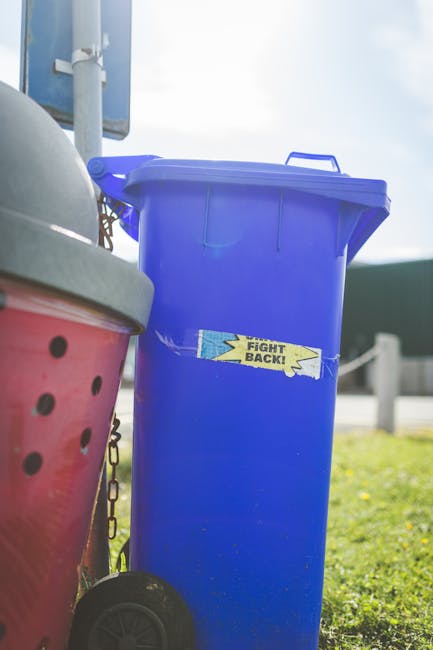
Why Clapham Common bulky rubbish collection tips Matters
Bulky waste is not just "extra rubbish". It is usually awkward, heavy, and inconvenient. Sofas snag on door frames. Bed bases wobble on stairwells. Old filing cabinets seem to grow heavier the moment you reach the front step. If you are in a busy part of south London, the challenge is often not the item itself, but the logistics: limited parking, tight staircases, shared entrances, and neighbours who quite understandably don't want clutter left out for long.
Good bulky waste planning matters because it saves time and reduces friction. It also helps you avoid damage to property, injury to yourself, and those last-minute decisions that usually cost more. A quick bit of planning can be the difference between a smooth uplift and a day that goes a bit sideways.
There is also a wider local angle. Responsible disposal supports cleaner streets and better recycling outcomes. If you want to understand how your waste choices fit into a bigger picture, the team's recycling and sustainability page is a useful companion read.
Expert summary: The best bulky rubbish collection is rarely the fastest one you can arrange in five minutes. It is the one you plan properly, separate correctly, and book with clear information so the collection team can work safely and efficiently.
How Clapham Common bulky rubbish collection tips Works
In plain English, bulky rubbish collection is the removal of large household or commercial items that are difficult to place in normal bins. Think furniture, white goods, mattresses, large electricals, shop fittings, office desks, and some garden waste. Depending on the provider, the service may involve curbside pickup, in-property removal, or full-load collection from a flat, office, or house.
For people near Clapham Common, the process often starts with identifying what needs to go. That sounds obvious, but in real life a "quick clear-out" can quietly turn into a mixed load of wood, fabric, metal, electrical items, and random bits of packaging. Once the items are listed, the next step is deciding what should be reused, donated, recycled, or disposed of.
A good service will usually ask for photos, item descriptions, access details, and a rough sense of volume. That helps avoid surprises on the day. It also means the crew can bring the right vehicle and enough labour, which matters more than people think. Nobody wants to discover at 9:15 on a wet Tuesday morning that the wardrobe won't fit through the front door. It happens. More than you'd expect.
If your clearance is part of a bigger job, such as a flat move or probate clear-out, a broader service like house clearance in Lambeth may be more efficient than arranging one-off removals item by item.
Key Benefits and Practical Advantages
There are a few clear reasons people choose a structured bulky rubbish collection approach instead of just "getting rid of it somehow".
- Less stress: You know what is going, when it is going, and who is handling it.
- Faster clear space: Large items disappear in one go rather than lingering for weeks.
- Reduced risk of injury: Heavy lifting is one of the biggest avoidable hazards in a home move or declutter.
- Better recycling outcomes: Many bulky items can be separated and processed rather than dumped mixed together.
- Cleaner presentation: Useful if you are selling, letting, renovating, or hosting guests.
- Less neighbour friction: Proper timing and tidy collection avoids hallways looking like a storage area.
There is another benefit people sometimes overlook: decision relief. Once you book a collection, you stop mentally "parking" the old furniture in the corner of your day. That sounds small, but it adds up. A clear room feels like breathing room.
If presentation matters because you are preparing a property for the market, the article on selling property in the Lambeth area has useful context on why fast, tidy clearance often helps the whole process move more smoothly.
Who This Is For and When It Makes Sense
This kind of collection is useful for a lot of people, not just landlords or big households. In Clapham Common, the most common situations usually look something like this:
- you have just moved into a smaller flat and the old sofa is no longer practical;
- a tenant has left furniture behind and you need the space cleared quickly;
- you are replacing bedroom or office furniture and the old set is too large for the bin store;
- your garden has a pile-up of branches, broken planters, or worn-out items;
- you are doing a refurbishment and need builders' waste moved responsibly;
- you are clearing a room after months of "I'll deal with that later".
Truth be told, there is no single "best" time to book. But it makes sense when the volume is too large for normal disposal, when items are too heavy to move safely, or when time is more valuable than a DIY trip to multiple drop-off points.
For business premises, especially smaller offices, a dedicated office clearance service in Lambeth can keep disruption low and remove desks, chairs, and outdated equipment in one organised visit.
Step-by-Step Guidance
If you want a straightforward method, use this process. It works well for homes, flats, gardens, and many small commercial clearances.
- Sort the items. Group furniture, electricals, metal, wood, textiles, and general rubbish separately where possible.
- Check what can be reused. A surprisingly decent chair or table may still be useful to someone else.
- Measure awkward items. Note height, width, and whether it can be dismantled.
- Take clear photos. Include access points like stairs, narrow hallways, or parking restrictions.
- Think about weight and fragility. A large mirror and a heavy wardrobe need different handling.
- Choose the right service. Curbside pickup, in-home removal, or full waste collection each suits different situations.
- Book a time that suits access. Early morning can be quieter around Clapham Common, but only if your building allows it.
- Prepare the route. Move smaller objects out of the way so the crew can work quickly.
- Confirm what is excluded. Some items require specialist handling, so ask before collection day.
- Inspect the area afterwards. Check skirting boards, stair edges, and communal areas for any missed debris.
If you are dealing with mixed waste, a combined approach may be best. For example, a flat with a broken wardrobe, a mattress, and some old office furniture may benefit from waste removal in Lambeth rather than three separate arrangements.
A quick real-life note
We've all seen it: someone leaves a pile at the bottom of the stairs "for the collection team", and then the lift is blocked, the neighbour is grumbling, and nobody can quite remember which items were actually meant to go. A simple label on each item or pile can save a surprising amount of awkwardness. Small thing. Big difference.
Expert Tips for Better Results
These are the little details that tend to make a collection smoother. Not dramatic, just practical.
- Dismantle where sensible. A bed frame separated into parts is easier and safer to remove than a fully assembled one.
- Keep fixings together. Put screws, bolts, and fittings in a labelled bag if the item may be reused.
- Protect shared spaces. A sheet, blanket, or corner guard can help if you have tight hallways or polished stairs.
- Be honest about access. If there are three flights of stairs, say so. It helps everything run better.
- Set aside documents and valuables first. This is especially important in garage clear-outs or office jobs.
- Ask about recycling routes. Reputable providers should be able to explain where suitable materials go.
- Plan around council days and neighbours. A collection that blocks bins or communal walkways can create avoidable hassle.
One thing people often miss: packaging waste can be a hidden part of a bulky job. That new wardrobe might arrive in three boxes, plastic wrap, foam blocks, and tape that seems to stick to everything except itself. That extra material needs a plan too.
If you are interested in a more eco-conscious approach, the guidance on recycling and sustainability is a sensible place to look next.

Common Mistakes to Avoid
Most bulky waste problems come down to one of a handful of avoidable mistakes.
- Leaving items out too early. It can make a property look untidy and may create access issues.
- Underestimating volume. What looks like "just a few pieces" often fills a vehicle faster than expected.
- Not checking restrictions. Some items need special handling, and some buildings have rules about collection times.
- Mixing everything together. When recyclables and general waste are tangled up, processing becomes less efficient.
- Ignoring safety. Old glass, protruding screws, and unstable furniture are all easy ways to get hurt.
- Choosing purely on price. Cheapest is not always best if the service is slow, unclear, or unable to handle the load.
To be fair, the cheapest option can look tempting when you just want the problem gone. But if the provider does not explain what happens next, or leaves you guessing on collection day, you may end up paying in time and stress instead. Nobody needs that.
Tools, Resources and Recommendations
You do not need a van full of equipment to handle bulky rubbish well, but a few simple tools can make life easier.
- Work gloves: Good for grip and to reduce the chance of cuts.
- Measuring tape: Essential for checking whether items can pass through doors or lifts.
- Strong bags or boxes: Useful for loose fixings, cushions, lampshades, and mixed small items.
- Markers or sticky labels: Helpful when sorting keep, donate, recycle, and remove piles.
- Furniture sliders or a trolley: Very handy for heavier pieces, provided the surface is suitable.
For trusted service information, you may also want to review about the company, insurance and safety, and pricing and quotes before booking. Those pages help you understand how the service is structured and what to expect.
If your bulky rubbish includes outdoor waste like hedge clippings, broken pots, or soil-contaminated material, a dedicated garden waste removal service in Lambeth may be a better fit than a general collection.
Law, Compliance, Standards, or Best Practice
When dealing with bulky waste, the main point is simple: dispose of it responsibly and use a provider that follows proper waste-handling practice. In the UK, householders and businesses should be careful about where waste goes, who collects it, and whether the person removing it is acting legitimately. You do not need to become a legal expert, but you do need to avoid handing waste to someone who cannot account for it.
A few cautious best-practice principles are worth keeping in mind:
- Keep records if you are a business. Especially for commercial clear-outs, note what was removed and by whom.
- Ask where the waste is taken. A reputable operator should be able to answer this clearly.
- Be careful with electricals. Old fridges, freezers, and electronics may need special handling.
- Separate hazardous or specialist items. If something contains chemicals, sharp components, or other risks, tell the provider in advance.
- Use insured, safety-conscious teams. That reduces the chance of disputes if something goes wrong.
For confidence around process and accountability, the company's policy pages can be helpful too, including terms and conditions, payment and security, privacy policy, and accessibility information.
And yes, it sounds dry. But these basics matter. A lot.
Options, Methods, or Comparison Table
Different bulky waste situations call for different methods. Here is a simple comparison to help you decide.
| Method | Best For | Pros | Limitations |
|---|---|---|---|
| DIY tip run | Small loads, flexible schedules | Can be low-cost if you already have a vehicle | Time-consuming, lifting risk, parking and disposal hassle |
| Curbside collection | Simple items, clear access, lower volume | Convenient and often quick | Not ideal for heavy items, stairs, or tight access |
| Professional bulky rubbish collection | Mixed loads, awkward furniture, fast turnaround | Less lifting, more efficient, usually handled end-to-end | Usually costs more than DIY, though often better value overall |
| Full house or office clearance | Large-scale clear-outs, probate, moves, refurbishments | Organised, comprehensive, good for complex jobs | May be more than you need for one or two items |
If you are unsure which route fits your situation, start with the access question: can you safely move the items yourself without damage or strain? If the answer is "not really", that is a strong sign that professional help is the smarter choice.
Case Study or Real-World Example
Imagine a two-bedroom flat near Clapham Common with a bulky sofa, a broken ottoman bed, a small stack of old shelving, and several bags of mixed household clutter. The residents are both working long hours, the building has a narrow stairwell, and the communal entrance needs to stay clear for neighbours.
In that situation, the sensible approach is to photograph everything, measure the widest pieces, and check whether the bed can be dismantled. The team can then plan for access, estimate labour needs, and arrange a removal window that keeps disruption low. The sofa and bed frame may go one way, while any recyclable materials are separated out. The hallway stays clear, the job is finished in one visit, and the flat feels instantly calmer.
That is the kind of result people usually want. Not drama. Just done properly.
If the job is part of a move or a broader life change, it may also help to read what locals say about living in Lambeth and a broader look at Lambeth, especially if you are trying to settle in or prepare a property for the next person.
Practical Checklist
Use this checklist before collection day. It keeps things tidy and avoids the common "oh no, we forgot that one" moment.
- Confirm exactly which bulky items are going
- Measure large or awkward pieces
- Take photos for the provider
- Check access routes, stairs, lifts, and parking
- Separate reusable, recyclable, and disposable items
- Remove valuables, documents, and personal items
- Bag small loose parts and fixings
- Protect floors, walls, and corners if needed
- Confirm the collection time and any arrival window
- Ask what happens to items that can be recycled or reused
- Make sure communal areas remain clear
- Do a final sweep after the collection
One small thing, but worth saying: if the item is sentimental and you are not sure about parting with it, move it aside the night before. Sleep on it. You may still decide to let it go, but at least it will be your decision, not a rushed one.
Conclusion
Bulky rubbish collection around Clapham Common does not need to be stressful. With a bit of planning, the right information, and a sensible choice of service, you can clear space quickly without making the day harder than it needs to be. The best results usually come from simple habits: measure first, sort properly, be honest about access, and use a provider that treats safety and disposal responsibly.
Whether you are clearing one awkward item or tackling a full flat, a steady approach will save time and spare you plenty of frustration. And once the clutter is gone, the difference is immediate. The room feels lighter. The home feels more usable. Even the air seems a bit clearer, if that makes sense. It usually does.
Get a free quote today and see how much you can save.

Copyright © . House Clearance Lambeth. All Rights Reserved.