Brixton Market rubbish removal guide for traders
Posted on 29/04/2026
If you trade at Brixton Market, you already know waste builds up fast. One busy morning can leave you with cardboard, produce trimmings, broken packaging, food waste, and the odd awkward item that just will not fit neatly into a bin. A clear Brixton Market rubbish removal guide for traders helps you stay tidy, protect your pitch, and avoid the kind of last-minute stress that always seems to happen just as the day gets going.
This guide is written for real market life, not an idealised version of it. You need something practical, flexible, and realistic. So we will cover what rubbish removal means for traders, how it usually works, what to do before collection, common mistakes, and the best ways to keep waste under control without disrupting trade. If you run a stall, kiosk, or small unit in and around Brixton, this should help you make better decisions, quicker.
And yes, we will keep it grounded. No grand theory. Just useful, local, everyday guidance.
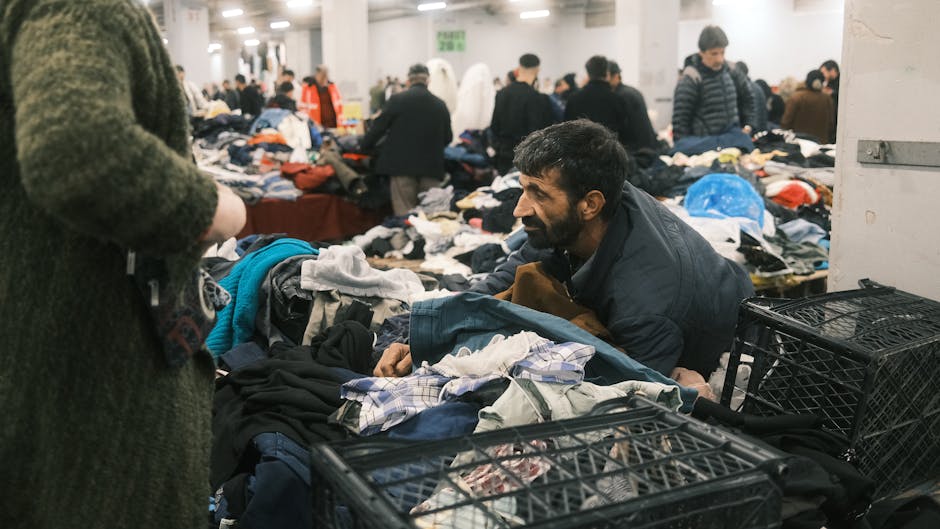
Why Brixton Market rubbish removal guide for traders Matters
Waste is not just a background issue for traders. It affects how your stall looks, how easy it is to work, and how customers feel when they walk past. At a market, presentation matters. A clean pitch suggests care, organisation, and professionalism. A cluttered one can make even good stock feel a bit second-rate.
There is also the practical side. In a busy place like Brixton, rubbish can pile up quickly during peak hours. Wet cardboard gets heavy. Food packaging gets messy. Bags start taking over space. Then you are spending time moving waste around instead of serving people. That is not efficient, and lets face it, market traders already have enough to juggle.
Good rubbish removal also helps protect neighbouring traders. Nobody wants overflow, smells, pests, or stray litter drifting into the next pitch. A decent system keeps the whole market calmer and easier to work in. It is one of those things you only really notice when it goes wrong. Then everyone notices.
If you are planning a broader tidy-up or business move alongside waste disposal, it can help to look at related support pages too, such as the wider services overview or practical collection options like rubbish collection in Lambeth.
How Brixton Market rubbish removal guide for traders Works
For most traders, rubbish removal works best when it is planned in layers. First, you separate waste as you trade. Then you store it safely. After that, you arrange collection or drop-off in a way that fits the market's access times and your trading pattern. Simple in theory, a bit fiddly in practice.
Typical market waste falls into a few broad groups:
- Cardboard and paper from deliveries and packaging
- General waste such as mixed wrappers, damaged items, and non-recyclable bits
- Food waste from produce stalls, prepared food traders, or catering units
- Plastic wrap and shrink film from stock handling
- Broken or unsellable stock that needs specialist disposal
- Occasional bulky items such as shelving, crates, or old display materials
The exact setup depends on the stall type. A fresh produce trader will usually handle different waste streams from a vintage seller or a street-food operator. One of the smartest things you can do is map your waste by type first, because that shows you where most of the volume comes from. Often it is the packaging. Sometimes it is the delivery materials. Every stall has its own little waste personality, if that makes sense.
For traders dealing with larger amounts or regular clear-outs, a dedicated service like waste removal in Lambeth or targeted support such as builders waste disposal can be a better fit than waiting for a one-off general collection.
Key Benefits and Practical Advantages
The best rubbish removal setup does more than remove bags. It gives you control. That is really the point.
- Better stall presentation: Clean trading space, cleaner customer impression, fewer complaints.
- More working room: Less waste underfoot means better movement behind the stall.
- Faster close-down: When the system is organised, pack-up takes less effort.
- Improved hygiene: Important for food traders in particular, but useful for every stall type.
- Lower risk of pest issues: Especially where food residue or organic waste is involved.
- Less stress on busy days: A tidy process reduces panic when trade is at its peak.
There is also a commercial upside that people sometimes overlook. When customers can move easily and your stall looks properly looked after, they tend to stay longer. A stall that feels cared for often feels more trustworthy. That is not magic. It is just human behaviour, really.
If you are comparing ways to manage costs, you may find it useful to check pricing and quotes before deciding how often you need help. The cheapest option on paper is not always cheapest once you factor in wasted time and spillover mess.
Who This Is For and When It Makes Sense
This guide is for anyone trading at or near Brixton Market who produces regular waste and needs a reliable way to deal with it. That includes:
- fresh food and produce traders
- street food and takeaway operators
- clothing, accessories, and general retail stalls
- vintage, second-hand, and resell traders
- seasonal traders with high packaging turnover
- traders doing a stall refresh, relocation, or stock purge
It makes sense especially when waste starts taking up trade space, when your own bins are not enough, or when you need a one-off clear-out after a busy week. It also makes sense if you are dealing with something awkward: old display units, damaged stock, excess packaging, or pre- and post-event rubbish.
Not every trader needs the same level of support. Some only need collection after the busiest days. Others need a recurring arrangement. A small independent stall with a few boxes of waste is very different from a food trader generating mixed waste every session. Be honest about your real volume. That is the key.
For traders who also manage an office, back room, or storage area, office clearance in Lambeth can be useful when paperwork, shelving, and old furniture begin to pile up alongside trade waste.
Step-by-Step Guidance
Here is a straightforward way to handle market waste without turning it into a daily headache.
- Sort waste as you go. Keep cardboard, recyclables, food waste, and general waste apart where possible. Even a basic split makes a difference.
- Use the right containers. Strong sacks, stackable crates, lidded bins, or foldable cages help keep things contained.
- Flatten cardboard early. Cardboard occupies far more space than people expect. Flattening it saves room immediately.
- Keep waste off the trading front. Store bags and boxes to the rear or in a designated area so the stall looks open and tidy.
- Protect against leaks and odours. Double-bag messy items where sensible, especially if food residue is involved.
- Know your collection timing. Arrange removal before waste reaches the point where it becomes hard to manage.
- Document anything unusual. If you have bulky or specialist waste, note what it is before collection day.
- Do a final sweep. Clear the pitch thoroughly at close, including under tables, behind display stands, and around delivery points.
A simple habit can save a lot of grief: one small bag at a time, not one giant mountain at the end. Sounds obvious. Still, people forget.
If your waste mix changes seasonally, adjust your routine. For example, summer trading can create more food-related waste and more packaging from busy footfall, while winter may mean heavier breakages and old display materials. Different season, different mess.
Expert Tips for Better Results
Here are a few field-tested habits that make a real difference.
1. Build a waste plan around your busiest hour. Do not wait until the stall is already cramped. If your peak is late morning, have a mid-session clear-up point built in.
2. Keep a "problem pile" separate. Broken hangers, damaged signage, torn packaging, odd fixtures. Put these in one area so they do not spread through the stall.
3. Use uniform bags or tubs where possible. It sounds small, but consistency makes stacking and removal much easier.
4. Teach the routine to anyone helping you. If someone is covering the stall, they should know where waste goes and what must never be mixed.
5. Review your waste after a busy week. Ask yourself: what filled up fastest? What was awkward to move? What created the messiest part of close-down?
Practical takeaway: the best rubbish removal system is not the one that looks tidy in a brochure. It is the one you can keep using on a wet Thursday afternoon when you are tired and the market is heaving.
And yes, a little realism helps. If your setup requires perfect conditions every day, it probably will not last. Aim for workable, not perfect.
You may also want to review the company's wider standards on insurance and safety and their commitment to recycling and sustainability, especially if you are trying to reduce landfill and improve environmental handling.

Common Mistakes to Avoid
Most waste problems at market level come from a few repeat mistakes. The good news? They are fixable.
- Leaving waste until the end: By close, the pile is larger, heavier, and more annoying.
- Mixing waste streams: Once cardboard, food waste, and general waste are all in one place, sorting gets messy fast.
- Ignoring access restrictions: A collection can fail simply because access is blocked or timing is off.
- Underestimating storage needs: A trader with a small pitch can still generate a surprising amount of rubbish by lunchtime.
- Forgetting fragile or hazardous items: Broken glass, sharp fittings, or damaged equipment need extra care.
- Choosing a service only on price: Cheap is not helpful if the provider is unreliable or unsuitable for your waste type.
One common scene goes like this: a trader starts the day with two flat boxes, a few sacks, and a plan. By mid-afternoon there are six more boxes, a broken shelf, some damp packaging, and nowhere left to put anything. That is where people realise the waste plan was a bit optimistic. Happens all the time.
Another mistake is forgetting the knock-on effect on neighbours. A loose bag or overfilled bin does not just affect you. It affects footpath flow, shared space, and the general feel of the market.
Tools, Resources and Recommendations
You do not need complicated kit, but a few practical tools make market waste much easier to handle.
- Heavy-duty sacks for mixed waste and messy items
- Flattening tools or box cutters for cardboard
- Stackable crates to keep packaging and stock off the floor
- Lidded bins or tubs for food-related waste where suitable
- Reusable ties or straps to keep bundles neat
- Labelled containers for faster sorting during rush periods
- Gloves and cleaning supplies for safe handling of dirty or sharp material
Resource-wise, it helps to have a clear idea of your service options. Some traders need a regular collection schedule. Others need a one-off removal after a stock update or change of stall layout. If you are still figuring out the right fit, the about us page can help you understand the values behind a service, while payment and security and terms and conditions can be useful for checking how bookings are handled.
If your trader setup includes outdoor or decorative stock around the stall, you might also find garden waste removal in Lambeth helpful for green waste, plant material, or seasonal display clean-ups.
Law, Compliance, Standards, or Best Practice
Waste handling for traders should always be approached carefully and responsibly. The exact rules can vary depending on the waste type, the site, and the arrangements in place locally, so if something feels uncertain, check with the relevant authority or a qualified provider rather than guessing.
As a general best practice, traders should:
- separate recyclable material where practical
- avoid leaving waste where it can obstruct public areas
- keep food waste controlled to reduce hygiene issues
- ensure bulky items are removed safely and not abandoned on-site
- use a provider that handles waste responsibly and transparently
It is also sensible to work with a company that treats compliance seriously. That includes clear communication, safe loading practices, and responsible disposal routes. If you want reassurance on wider business conduct, you can review the site's modern slavery statement and accessibility statement for broader operational standards.
For traders, the best practice rule is simple: do not assume waste can be left anywhere because the market is busy. Busy does not mean exempt. A few minutes of care now can save a lot of awkwardness later.
Options, Methods, or Comparison Table
Different traders need different waste solutions. Here is a practical comparison to help you think it through.
| Method | Best for | Pros | Watch outs |
|---|---|---|---|
| On-stall sorting and bagging | Low to moderate waste volume | Cheap, simple, fast to start | Can become cramped if waste increases suddenly |
| Scheduled collection | Regular market traders | Predictable, less stress, easier planning | Needs good timing and reliable access |
| One-off clearance | Stall refreshes, end-of-season clear-outs | Good for bulky or mixed waste | Not ideal for ongoing waste generation |
| Mixed service with recycling focus | Traders wanting a better environmental outcome | Can reduce landfill and improve sorting | Requires more careful separation |
In practice, many traders end up using a hybrid approach. That is usually sensible. You handle the easy stuff yourself, then bring in help when the load gets awkward or bulky. No drama. Just sensible management.
Case Study or Real-World Example
Imagine a small Brixton trader selling homeware and accessories. During the week, they build up mostly cardboard, soft plastic packaging, broken display inserts, and a few damaged items that cannot be sold. Nothing extreme, but enough to cause problems if left unmanaged.
At first, everything is kept in a single corner behind the stall. By Friday afternoon that corner is full, the boxes are leaning, and the customer side of the pitch looks crowded. The trader starts losing time moving rubbish around each time they need a new item. It becomes one of those tiny frustrations that eats the day.
So they change the system:
- cardboard is flattened immediately
- damage stock is placed in a separate tub
- general waste is bagged twice on busy days
- one scheduled collection is added after the busiest trading period
The result is not glamorous, but it works. The stall looks clearer, close-down is quicker, and waste is no longer getting in the way of selling. That is the real win. Not perfection. Just a smoother day.
For traders with larger amounts of stock turnover or trading support items, combining a routine setup with house clearance support can be useful when a full reset is needed, especially after seasonal change or relocation.
Practical Checklist
Use this quick checklist before closing up or arranging collection:
- Have I separated recyclable waste from general waste?
- Are all bags tied, secure, and easy to move?
- Have I flattened all cardboard and bulky packaging?
- Is any food waste stored safely and away from customers?
- Are there sharp, breakable, or awkward items that need special handling?
- Is the walkway around my stall clear?
- Do I know when the next collection or removal is due?
- Have I checked whether anything can be reused or recycled before disposal?
- Is the waste stored in a place that will not block neighbouring traders?
- Have I taken a last look for loose litter under tables, boxes, or signage?
If you can tick most of those off, you are in good shape. If not, no panic. Start with the biggest problem first. Waste management improves quickly once the basic routine is steady.
Get a free quote today and see how much you can save.
Conclusion
A solid rubbish removal routine is one of those behind-the-scenes things that quietly improves everything else. Your pitch looks better, trading feels calmer, and you spend less time dealing with avoidable mess. For Brixton Market traders, that matters more than people sometimes admit.
The real goal is not just getting rid of waste. It is keeping control of your space so you can focus on selling, serving, and getting through the day without extra hassle. If you sort waste early, plan removals sensibly, and choose the right support when needed, the whole thing becomes much easier.
And that is usually how good market trading works: not with big dramatic fixes, but with a few small systems that quietly hold everything together. Bit by bit, it adds up.

Copyright © . House Clearance Lambeth. All Rights Reserved.